

Salt Practice
Elemental prompts for ritual and reflection

You can listen to my episode of the new A Few Things I've Learnt parenting podcast here. I talk about homeschooling, and what it means to be a neurodivergent parent, with Alice Lloyd. (It was after this recording that Alice came on board as producer of The Clearing Podcast, so you can think of it as our meet-cute!) • Start or renew a year’s subscription to The Clearing in July and you will be entered into a prize draw for my writing essentials box - and all annual subscribers receive my free ebook, Notes & Fragments.
Previous practices:
Water Practice
I live in a landscape of salt. There’s the sea, of course, but also the marshlands and ancient salt roads that cross the local woodland to reach the coast. Salt corrodes everything here, eating into paint and metal and tender plants. It also fills the air with its peculiar scent, clean and dirty all at once. I cannot see the sea from my house, but I can tell when the tide is high: I’m hit by a briny mist as soon as I open the front door.
It will not surprise you to know that I have a salt tooth, rather than a sweet one. I love all manner of pickles and crunchy snacks, as well as the occasional Indian-style salty lime soda, hold the sugar. I love to sprinkle sea salt in my cookies, or to cure a whole side of salmon under a mound of salt, sugar and dill. Most of all, I love what salt does to a pan of boiling water, ready to receive spaghetti or new potatoes. Salt’s benefit is ineffable. It has no flavour, but it makes flavour possible. Food would be sadder without it.
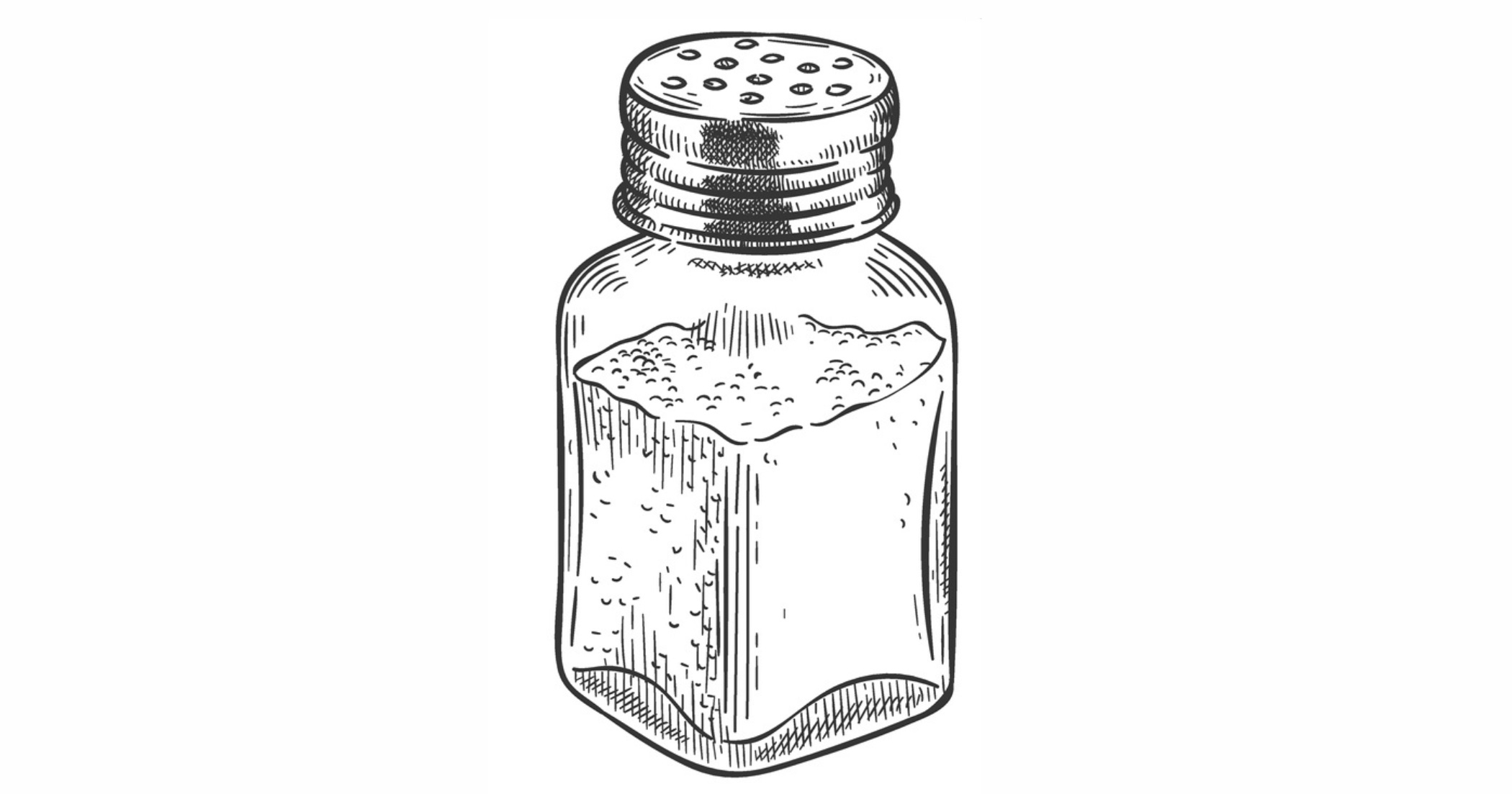
Salt was once a precious commodity, patiently evaporated at the shoreline, dosed carefully in our homes for preservation and purification. I still throw spilled salt over my left shoulder to ward off evil, an old habit that will not die. But in my lifetime, salt itself has become the demon, a dietary sin to be carefully exorcised. Salt is now too common, too cheap, for us to truly love it. It is just one more worry, one more source of guilt.
And yet our relationship with salt is unbreakable. It is scattered through our language. We might take something with a grain of salt, or choose to rub salt into the wound. We might be salty, or the salt of the earth. Salt defines our moments of panic or heartbreak: we taste it in our sweat and our tears. We crave it, even though we know we shouldn’t.
Salt crystalises our humanity. Let’s spend some time with it.
Keep reading with a 7-day free trial
Subscribe to The Clearing by Katherine May to keep reading this post and get 7 days of free access to the full post archives.